Korean Skincare Routine for Mature Skin (Women Over 40)
Affiliate disclosure: This article contains affiliate links. If you buy through them, we may earn a small commission at no extra cost to you. As an Amazon Associate I earn from qualifying purchases. Links go to Amazon search results for the product types we mention, not to specific products we have tested.
Not medical advice. This article shares general information only. It is not a substitute for advice from a doctor or dermatologist. Patch-test new products and talk to a professional about any skin, health or fitness concerns.
Skin changes in your forties. Many people notice it feels drier, takes longer to bounce back from a late night, shows fine lines more, and reacts more easily to harsh products. Hormonal changes around perimenopause and menopause play a part: lower estrogen is linked with drier, thinner skin and loss of collagen.
Korean skincare suits this stage well. Its core ideas (cleanse gently, hydrate in light layers, protect the skin barrier, and wear sunscreen every day) are exactly what mature skin tends to need. This guide turns Korean skincare for women over 40 into a simple Korean skincare routine for mature skin that you can actually follow, without a 10-step commitment.
Note: This guide is general information, not medical advice. If you have a skin condition, are pregnant or breastfeeding, or are using prescription skincare, check with a dermatologist before starting new active ingredients. Patch-test new products.
How skin changes after 40
- More dryness. Skin tends to hold less water and produce less oil, so tightness and flakiness become more common.
- Slower renewal. Skin cells turn over more slowly, which can make skin look dull or uneven.
- Collagen loss. Skin gradually becomes less firm, and fine lines and wrinkles deepen.
- Accumulated sun damage. Dark spots, uneven tone and texture often come from years of UV exposure.
- A more sensitive barrier. Strong scrubs, foaming cleansers and high-strength acids that you tolerated in your twenties can start to sting.
The goal of a routine at this stage is simple: keep the barrier strong, keep skin hydrated, protect from the sun, and add one or two proven actives slowly.
What dermatologists put first
The American Academy of Dermatology (AAD) says dermatologists agree that sunscreen and moisturizer are the two most effective anti-aging products you can buy, and that using them every day can make a noticeable difference. For sunscreen, the AAD recommends broad-spectrum protection, SPF 30 or higher and water resistance, reapplied every two hours while you're outdoors. (AAD: How to select anti-aging skin care products)
The same AAD guidance suggests giving sunscreen and moisturizer a few weeks, then focusing on one concern that still bothers you, such as wrinkles or dark spots, because no product addresses every sign of aging and using several new anti-aging products within a few days or weeks can irritate skin. The AAD also reminds readers to keep expectations realistic: anti-aging products deliver modest results, and "clinically proven" on a label does not mean the product went through FDA approval.
That maps neatly onto a Korean routine: the hydrating layers are your moisturizer step, sunscreen is non-negotiable, and you add one targeted step at night.
The core K-beauty principles for mature skin
- Gentle cleansing. No tight, squeaky feeling after washing.
- Hydration in layers. Several thin, watery layers (toner, essence) often feel more comfortable than one heavy cream on its own.
- Barrier support. Ingredients like ceramides, panthenol and centella asiatica help skin feel calm and comfortable.
- Daily sun protection. Korean sunscreens are known for light textures that are pleasant to wear every day.
Morning routine (5 steps)
1. Gentle cleanse or water rinse
If your skin is dry, rinsing with lukewarm water in the morning is often enough. Otherwise use a low-pH, non-foaming or lightly foaming cleanser. Avoid hot water, which can increase dryness.
2. Hydrating toner
Pat a hydrating toner into your skin with your hands. Look for humectants such as glycerin, hyaluronic acid (often listed as sodium hyaluronate), panthenol or beta-glucan. On very dry days, apply a second thin layer.
3. Essence or serum
This is where you can target a concern:
- Niacinamide for uneven tone, dullness and the look of enlarged pores.
- Vitamin C for brightening and as an antioxidant under sunscreen.
- Snail secretion filtrate or ginseng essences for hydration and a plumper look. (Snail mucin is not suitable for anyone avoiding animal-derived ingredients.)
Pick one or two, not all of them.
4. Moisturizer
Choose a cream that feels comfortable for your skin: a gel-cream if you're combination or oily, a richer cream with ceramides, squalane or shea butter if you're dry. Apply to your neck too.
5. Sunscreen, every day
Sunscreen is the most important anti-aging step at any age. Use a broad-spectrum sunscreen with SPF 30 or higher every morning, even in winter and on cloudy days. Korean sunscreens often carry a PA rating (PA+ to PA++++), which indicates UVA protection; PA++++ is the highest. Apply generously, about two finger-lengths for face and neck, and reapply when you're outdoors for long periods.
Evening routine (5 to 6 steps)
1. Oil cleanser or cleansing balm
The first half of the Korean double cleanse. Massage an oil or balm onto dry skin to dissolve sunscreen and makeup, add a little water to emulsify it, then rinse. This is gentler than scrubbing with a makeup wipe.
2. Water-based cleanser
A gentle gel or cream cleanser removes what's left. If you wore no makeup or sunscreen, you can skip the oil step.
3. Hydrating toner
Same as the morning. Patting toner onto damp skin helps the next layers spread easily.
4. Treatment (alternate nights)
This is where the most effective anti-aging ingredients go:
- Retinoids (retinol, retinal, or prescription tretinoin) have the strongest research behind them for fine lines and skin texture. Start low and slow: a pea-sized amount two or three nights a week, building up as your skin tolerates it. Expect some dryness at first. Avoid them if pregnant or trying to conceive.
- Bakuchiol is a plant-derived alternative many people find gentler, although it has much less research behind it than retinoids.
- Gentle exfoliating acids (lactic acid, PHA, or low-strength glycolic) once or twice a week on nights you don't use a retinoid.
- Peptide serums are popular in K-beauty for firmness. They're gentle and easy to combine with other products.
Don't use a retinoid and an exfoliating acid on the same night when you're starting out.
5. Moisturizer or sleeping mask
Use a richer cream at night. A sleeping mask (a K-beauty overnight gel or cream) can go on top a few nights a week if your skin feels dry.
6. Eye cream (optional)
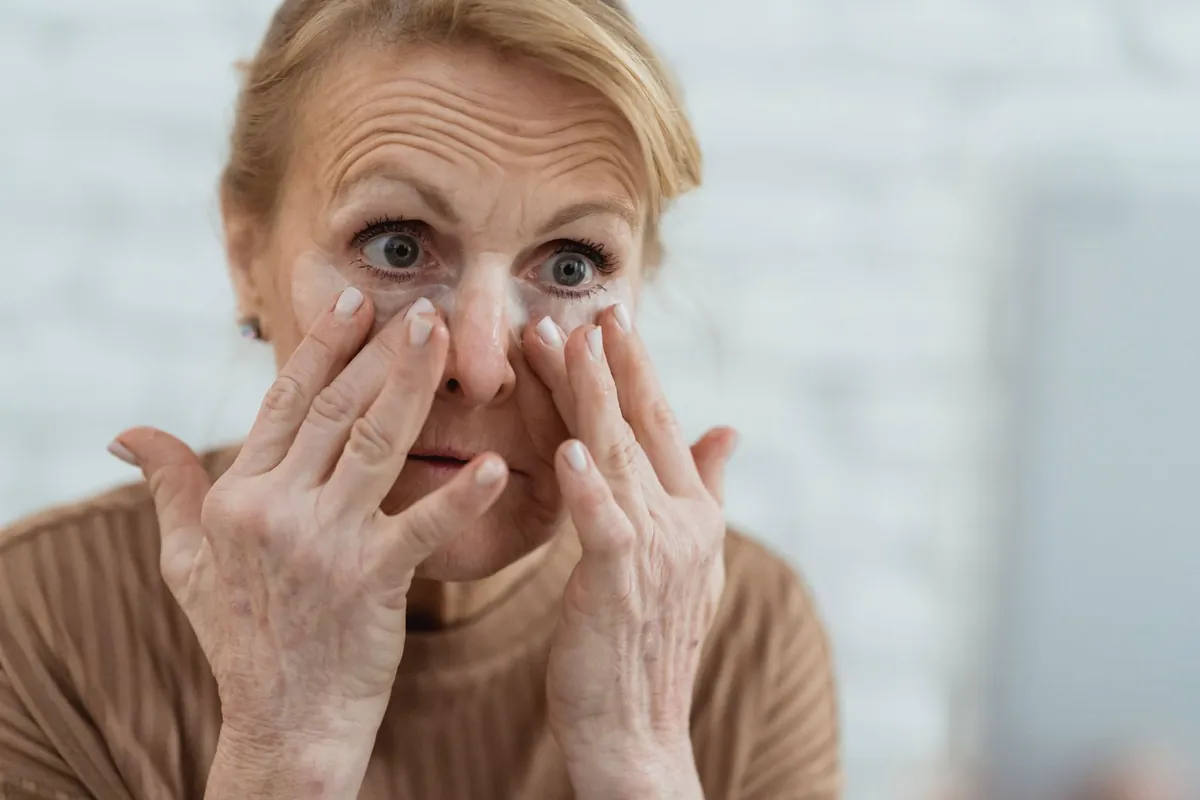
The skin around your eyes is thin and often the first place dryness shows. An eye cream isn't essential (your regular moisturizer can work), but many people like a richer formula there. Pat it on gently with your ring finger.
A sample week
| Night | Active step | Finish with |
|---|---|---|
| Monday | Retinoid (pea-sized) | Moisturizer |
| Tuesday | None (rest night) | Moisturizer + sleeping mask |
| Wednesday | Retinoid | Moisturizer |
| Thursday | None | Moisturizer |
| Friday | Retinoid | Moisturizer |
| Saturday | Gentle acid (optional) | Moisturizer |
| Sunday | None (sheet mask if you like) | Moisturizer + sleeping mask |
If your skin feels tight or stings, drop back to fewer retinoid nights and skip the acid. Mornings stay the same every day: cleanse, toner, moisturizer, sunscreen.
Weekly extras
- Sheet masks once or twice a week for a hydration boost. Leave on for the time stated on the pack, then pat the remaining essence in.
- Facial massage with an oil or cream. It feels relaxing and helps products spread, though it won't change skin structure.
Korean products worth a look (with verified details)
These are specific products whose details we checked on the brand's own page or the product's US drug label. They aren't ranked; each suits a different step or skin type. Formulas change, so check the label of the version you buy and patch-test first.
Cleanser: COSRX Low pH Good Morning Gel Cleanser
COSRX lists its pH as 5.31 ± 1.00, close to the skin's natural slightly acidic range. It contains betaine salicylate (a mild BHA) and tea tree leaf oil, and COSRX describes it as suitable for sensitive skin.
Suits: normal-to-combination mature skin that still gets the odd clogged pore. Keep in mind: very reactive skin may not like the tea tree oil or BHA.
Cleansing balm: heimish All Clean Balm
heimish's balm goes from balm to oil to milk as you add water, so it rinses without a greasy film.
Suits: dry skin that wants a cushiony first cleanse. Keep in mind: the ingredients include several essential oils, including citrus and lavender, so it isn't fragrance-free.
Ceramide cream: AESTURA Atobarrier 365 Cream
AESTURA, a dermocosmetic brand from Amorepacific, describes "high-density ceramide capsules" with ceramides, cholesterol and fatty acids, the same types of lipids found in the skin barrier, and aims the cream at dry, very dry and sensitive skin.
Suits: dry mature skin, especially in winter. Keep in mind: AESTURA's international page says it contains less than one percent synthetic fragrance, so check your version's label if you're fragrance-sensitive.
Lighter moisturizer: ROUND LAB Birch Moisturizing Cream
Round Lab describes it as "lightweight, fresh and fluffy" and unscented, with birch sap, jojoba esters, panthenol and hyaluronic acid, suitable for sensitive and all skin types.
Suits: combination or oily-but-dehydrated skin that finds rich creams heavy. Keep in mind: very dry skin may want something richer at night.
Sleeping mask: LANEIGE Water Sleeping Mask
Laneige describes it as an overnight formula with three types of hyaluronic acid, squalane, niacinamide and ceramide, applied after your face cream and rinsed off in the morning, for normal and dry skin.
Suits: dry nights and rest nights in the sample week above. Keep in mind: it contains fragrance (lavender and chamomile notes, per Laneige), and Laneige says it isn't non-comedogenic.
Mineral sunscreen with a US label: THE FACE SHOP Everyday Mineral Face Protection SPF 50
Its US Drug Facts label lists zinc oxide 15.52% as the active ingredient, Broad Spectrum SPF 50 and water resistance for 40 minutes, and the label claims fragrance-free, alcohol-free and "suitable for sensitive skin".
Suits: sensitive mature skin, and retinoid users who want a physical sunscreen (the AAD suggests zinc oxide or titanium dioxide for sensitive skin). Keep in mind: mineral sunscreens can leave a white cast.
Tinted mineral sunscreen: Beauty of Joseon Tinted Mineral Dayscreen SPF 30
Beauty of Joseon's US product page says it uses zinc oxide filters; titanium dioxide also appears in the ingredient list, so check the label of your shade.
Suits: anyone who wants sunscreen and a little tint in one step, and deeper skin tones bothered by white cast. Keep in mind: check the SPF suits how long you'll be outdoors, and reapply.
For more choices, see our guides to Korean cleansers for dry, sensitive skin, Korean moisturizers for dry winter skin and Korean sunscreen for sensitive skin.
Korean ingredients worth knowing after 40
- Centella asiatica (cica) and its compounds, such as madecassoside: soothing and barrier-supporting.
- Ginseng: a classic in Korean skincare, used in many anti-aging essences and creams for its antioxidant properties.
- Fermented ingredients such as galactomyces and fermented rice: often used in essences for a hydrated, bright look.
- Propolis: found in many hydrating "glow" serums; avoid if you're allergic to bee products.
- Ceramides: lipids that help hold the skin barrier together.
- Peptides: chains of amino acids used in firming products.
- Mugwort (artemisia) and heartleaf (Houttuynia cordata): popular calming ingredients for easily irritated skin.
Common mistakes to avoid
- Over-exfoliating. Peels, scrubs and strong acids several times a week can leave mature skin red and dry.
- Adding many new products at once. If something irritates you, you won't know which one. Add one new product every one to two weeks.
- Skipping sunscreen on "indoor" days. UVA passes through windows.
- Forgetting the neck, chest and hands. They show age too. Extend your moisturizer and sunscreen down.
- Expecting overnight results. Most active ingredients take several weeks of regular use before you notice a difference.
A minimal 3-step version
Busy? Here's the short version that still covers the basics:
- Morning: gentle cleanse, moisturizer, sunscreen.
- Evening: double cleanse (if you wore sunscreen or makeup), retinoid on two to three nights a week, moisturizer.
You can add a hydrating toner when you have an extra minute. It's the step that makes the biggest difference to comfort for dry, mature skin.
What to look for when shopping
Look for these product types rather than chasing whatever is trending:
- Low-pH gentle cleanser that doesn't leave skin tight. korean low ph gentle cleanser
- Cleansing oil or balm for the first cleanse. korean cleansing balm
- Hydrating toner with hyaluronic acid, panthenol or glycerin. korean hydrating toner hyaluronic acid
- Ginseng or peptide essence or serum. korean ginseng essence anti aging
- Beginner-strength retinol. korean retinol serum beginner
- Ceramide moisturizer. korean ceramide moisturizer mature skin
- Korean sunscreen SPF 50 PA++++. korean sunscreen spf 50 pa++++
US sunscreen note: In the US, sunscreens are regulated by the FDA as over-the-counter drugs, and US products may only use the UV filters on the FDA's permitted list. Many filters used in Korean sunscreens are not on that list. In June 2026 the FDA added bemotrizinol, the first new active ingredient added to its sunscreen monograph since the late 1990s (FDA announcement). Korean-market versions may differ from US versions, so check for a US Drug Facts label. This is general information, not medical advice. Ask your doctor or a dermatologist about sun protection for your skin.
Sources
- American Academy of Dermatology: How to select anti-aging skin care products
- American Academy of Dermatology: How to select a sunscreen
- American Academy of Dermatology: How to test skin care products
- Bissett DL et al. Niacinamide: a B vitamin that improves aging facial skin appearance. Dermatol Surg, 2005
- Skin barrier and moisturization review, 2023 (PubMed)
Frequently asked questions
Is Korean skincare good for women over 40?
Yes. Its focus on gentle cleansing, layered hydration, barrier support and daily sunscreen suits mature skin, which tends to be drier and more sensitive.
Do I need all 10 steps?
No. The 10-step routine is more of a menu than a rule. A cleanser, hydrating toner, moisturizer and sunscreen, plus a retinoid at night, covers most needs.
What is the best Korean ingredient for anti-aging?
Daily sunscreen does the most to prevent visible sun-related aging. Among skincare ingredients, retinoids have the strongest research, and K-beauty ingredients like ginseng, peptides, niacinamide and centella are useful supporting players.
Can I use retinol with a Korean skincare routine?
Yes. Apply it at night after toner, on dry skin, then moisturize. Start two or three nights a week and avoid using strong acids on the same night.
What does PA++++ mean on Korean sunscreen?
PA is a rating for UVA protection used in Korea, Japan and other countries. More plus signs mean higher UVA protection, with PA++++ the highest grade.
How long before I see results?
Hydration feels better within days, but changes in tone, texture and fine lines from active ingredients usually take several weeks to a few months of consistent use. ### Should I see a dermatologist?
Yes, if you have persistent redness, a rash, a changing mole or spot, or a skin condition, or before starting prescription-strength retinoids. Consult your doctor or a board-certified dermatologist about anything that worries you.
Read next: Korean Skincare Routine Order: A Simple Step-by-Step Guide →